Case Study · Historic Renovation
The MercantileMain Street Storefronts With Offices Above
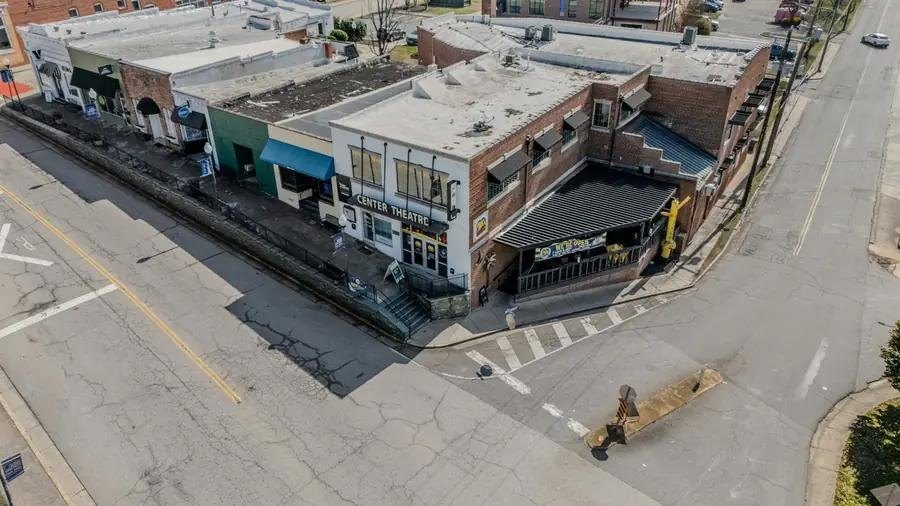
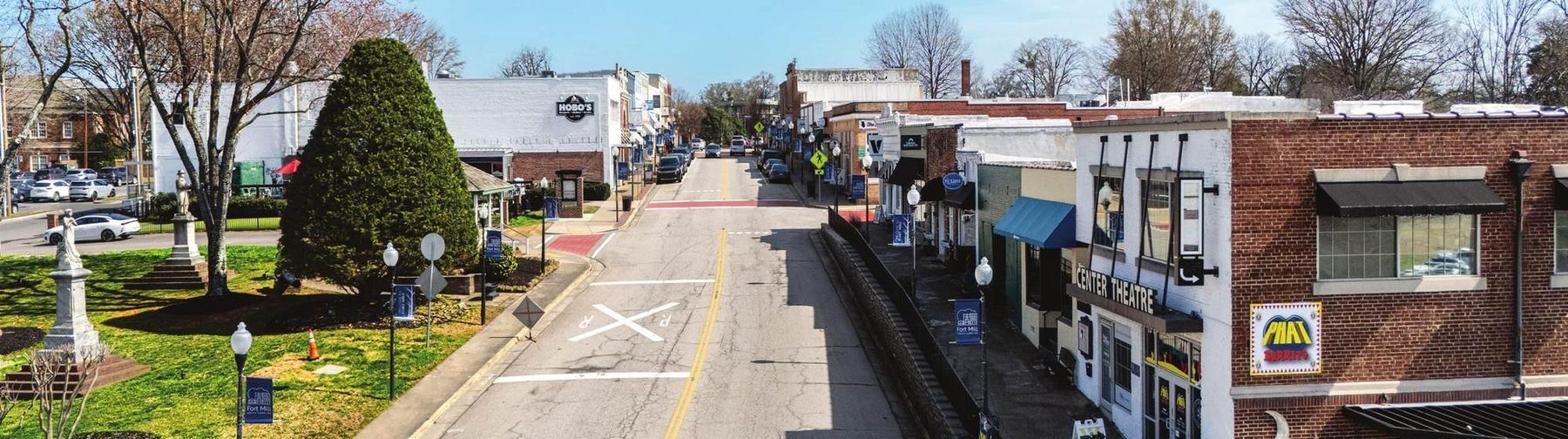
Kuester redeveloped 219–221 Main Street in downtown Fort Mill, converting the upper floors into professional office suites and stacking three incentive programs to make the numbers work.

The Project
More People on Main Street, Every Weekday
Shops stay at street level. Upstairs, the floors were rebuilt as professional office suites, which brings daytime workers to downtown and supports the restaurants and stores below. Today the offices are leased.
- Address
- 219–221 Main St, Fort Mill, SC
- Completed
- 2023
- Use
- Street-level retail, upper-floor offices
- Kuester’s role
- Developer
- Incentives
- Bailey Bill; federal and SC historic credits; SC abandoned buildings credit
The Incentive Stack
$1.06 Million in Tax Credits on $1.89 Million of Rehab
Three credits returned 56% of the qualified rehabilitation costs.
$377K
Federal historic tax credit, 20% of qualified costs
$476K
South Carolina historic credit, optional 25% track
$207K
South Carolina abandoned buildings credit
$1.06M
Total stacked credits
For discussion only, not tax or legal advice. Eligibility varies by property; confirm with a CPA or tax attorney. Source: Kuester Commercial project records.
Before and After
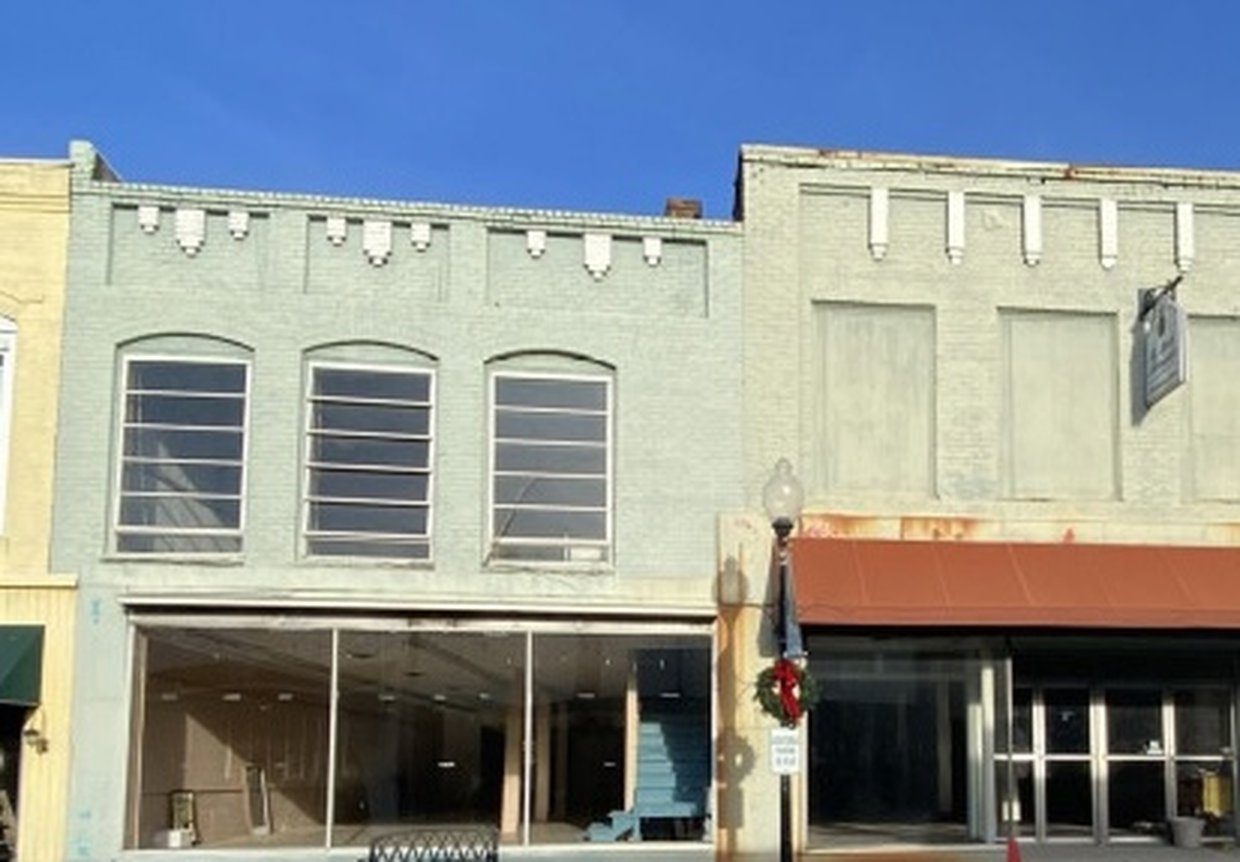
The Same Storefronts, Restored
Drag the handle to compare the buildings before work began and after the restoration.
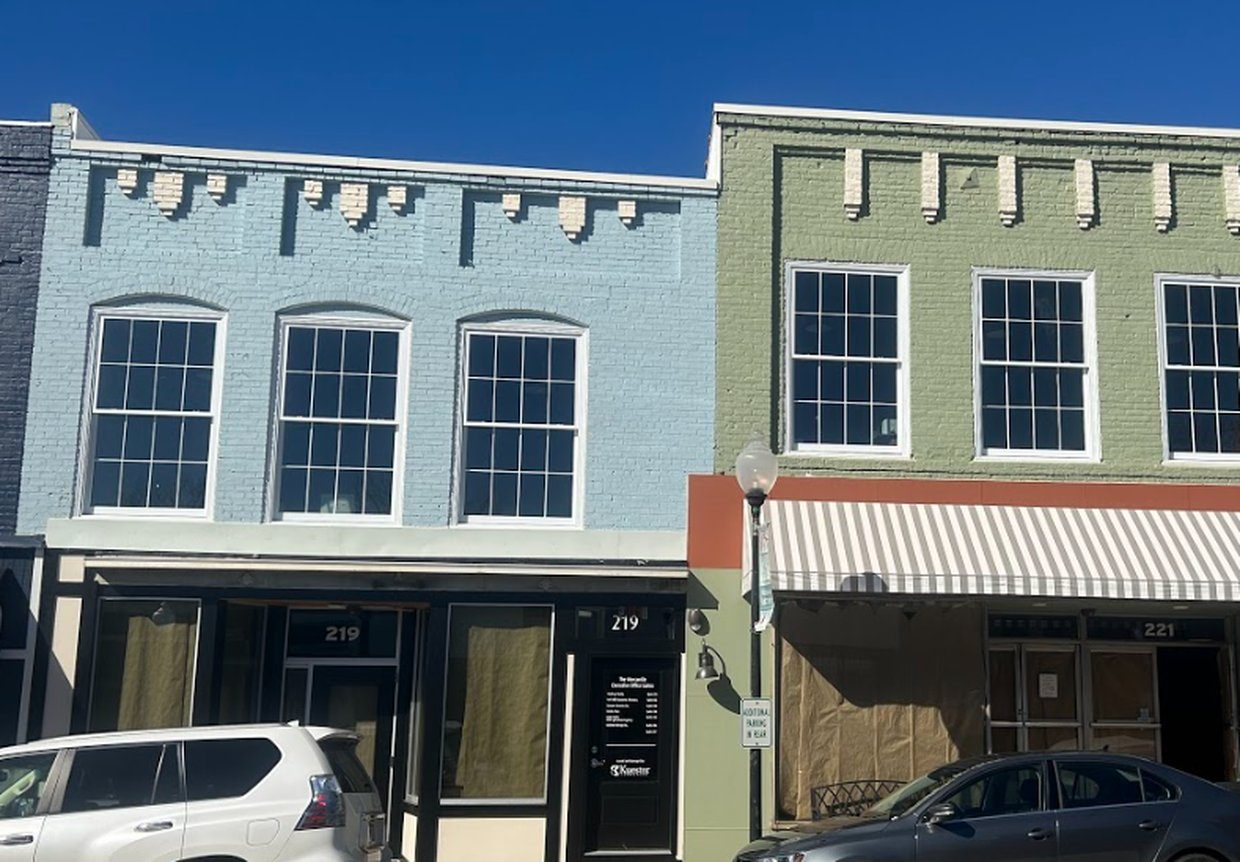
Before and After
The Same Storefronts, Restored
Drag the handle to compare the buildings before work began and after the restoration.
More Historic Work